

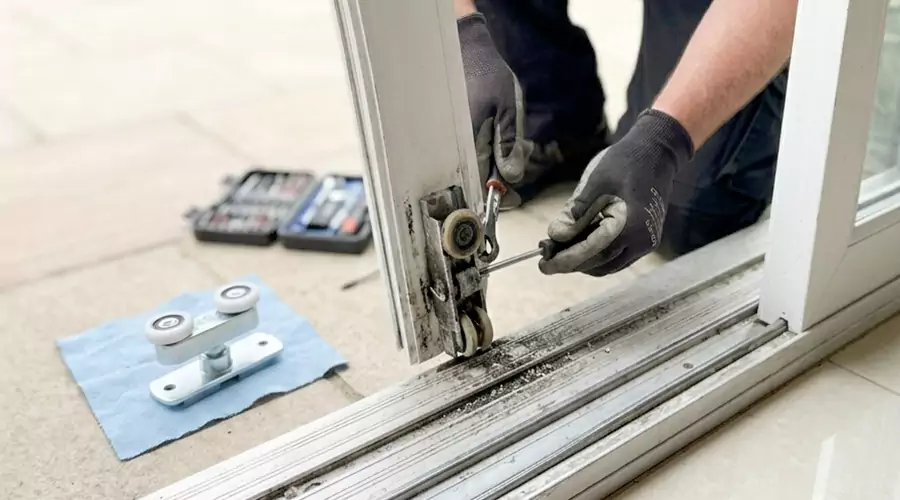

Sliding glass doors provide easy access to patios, decks, and outdoor living spaces. When functioning properly, they glide smoothly with minimal effort. However, over time, the rollers located beneath the door can wear out, making the door difficult to open and close. In many cases, professional sliding door rollers repair services can address these issues before a full replacement becomes necessary. Recognizing the early signs of roller problems can help prevent further damage and restore smooth operation before the issue becomes more serious.
In this guide, we will explain how sliding door rollers work, the common signs of wear, and when replacement may be necessary.
What Are Sliding Door Rollers?
Sliding door rollers are small wheel assemblies installed at the bottom of the door. These rollers support the door's weight and allow it to move smoothly along the track.
Most sliding glass doors use two or more rollers that work together to ensure proper movement. Since they constantly bear the weight of the door, they are subject to wear and tear over time.
Factors That Can Shorten Roller Lifespan
- Heavy daily use
- Dirt and debris buildup in the track
- Exposure to moisture and humidity
- Lack of regular maintenance
- Corrosion or rust
When rollers begin to fail, the performance of the entire door is affected.
Signs Your Sliding Door Rollers Need Replacement
Knowing what to look for can help you identify roller issues before they lead to larger repairs.
1. The Door Is Difficult to Open or Close
One of the most obvious signs of worn rollers is increased resistance when operating the door.
If you find yourself:
- Pushing harder than usual
- Pulling with excessive force
- Struggling to move the door smoothly
The rollers may be damaged, worn flat, or no longer aligned properly.
While a dirty track can sometimes cause similar symptoms, persistent difficulty often points to roller failure.
2. Grinding or Scraping Noises
A properly functioning sliding door should move quietly.
If you hear:
- Grinding sounds
- Scraping noises
- Metal-on-metal contact
- Clicking or popping sounds
The rollers may be worn, cracked, or seized.
Damaged rollers can force the door frame to rub against the track, creating noise and potentially causing additional damage.
3. The Door Feels Uneven
Sliding doors should sit level within the frame.
Signs of uneven movement include:
- One side dragging more than the other
- The door appearing tilted
- Gaps around the edges
- Difficulty locking the door
Uneven operation often indicates that one roller has failed while the other remains functional. This creates an imbalance that affects the door's alignment.
4. Visible Damage to the Rollers
If you can safely inspect the bottom of the door, look for signs of physical damage.
Common issues include:
- Cracked wheels
- Flattened roller surfaces
- Rust or corrosion
- Broken roller housings
- Missing components
Any visible damage usually means replacement is necessary rather than repair.
5. The Door Jumps or Jerks While Moving
Sliding doors should move in a smooth and controlled manner.
When rollers become worn, the door may:
- Skip along the track
- Bounce during operation
- Stop unexpectedly
- Move unevenly
Jerky movement often occurs when roller wheels lose their round shape or become damaged.
6. Excessive Track Wear
Worn rollers can damage the track itself.
Inspect the track for:
- Deep scratches
- Grooves
- Dents
- Metal shavings
- Areas of excessive wear
When rollers stop functioning correctly, the door's weight can rest directly on the track, accelerating damage and increasing repair costs.
7. The Door Does Not Stay on Track Properly
Rollers play a critical role in maintaining alignment.
Failing rollers can cause the door to:
- Slip out of position
- Move off track
- Become unstable during operation
- Require frequent adjustments
A door that repeatedly comes off its track often indicates underlying roller issues.
Common Causes of Roller Failure
Understanding why rollers wear out can help homeowners prevent future problems.
Dirt and Debris Accumulation
Dust, sand, leaves, and other debris can build up inside the track.
This buildup:
- Increases friction
- Forces rollers to work harder
- Accelerates wear
- Creates uneven movement
Regular cleaning helps extend roller life.
Moisture Exposure
Sliding doors are often exposed to outdoor conditions.
Moisture can cause:
- Rust formation
- Corrosion
- Seized bearings
- Reduced roller performance
Homes in humid or coastal environments may experience roller wear more quickly.
Age and Normal Wear
Even high-quality rollers eventually wear out.
Over years of use, roller components may experience:
- Bearing deterioration
- Wheel wear
- Material fatigue
- Structural weakening
Replacement becomes necessary as parts reach the end of their service life.
Lack of Maintenance
Routine maintenance can significantly improve roller longevity.
Neglected doors often develop problems such as:
- Dry bearings
- Increased friction
- Track contamination
- Premature wear
Simple inspections and cleaning can prevent many common issues.
Can Cleaning Fix the Problem?
In some cases, cleaning the track may improve door performance.
Try these steps:
- Vacuum loose debris from the track.
- Wipe the track with a damp cloth.
- Remove stubborn dirt using a soft brush.
- Apply a sliding door lubricant approved by the manufacturer.
If the door continues to drag or operate poorly after cleaning, the rollers may need replacement.
When Should You Replace Sliding Door Rollers?
Roller replacement is typically recommended when:
- Cleaning no longer improves performance
- Rollers show visible damage
- The door remains difficult to operate
- The track is experiencing excessive wear
- The door becomes misaligned frequently
Replacing worn rollers early can prevent additional damage to the door frame, track, and locking system.
Benefits of Replacing Worn Rollers
Improved Door Operation
New rollers restore smooth, effortless movement and reduce strain when opening or closing the door.
Enhanced Safety
A properly functioning door is less likely to stick, jam, or become difficult to use during emergencies.
Reduced Wear on Other Components
Replacing damaged rollers helps protect:
- Door tracks
- Frames
- Locks
- Handles
This can extend the lifespan of the entire sliding door system.
Better Energy Efficiency
A properly aligned sliding door creates a tighter seal, helping reduce drafts and improve indoor comfort.
Final Thoughts
Sliding door rollers play a vital role in the performance and longevity of your sliding glass door. If your door becomes difficult to move, produces unusual noises, feels uneven, or shows signs of track damage, worn rollers may be the cause. Identifying these warning signs early can help prevent more extensive repairs and keep your door operating safely and smoothly.
Regular cleaning, inspection, and maintenance can extend roller life, but when wear becomes significant, replacement is often the most effective solution. Investing in timely roller replacement can restore effortless operation and help protect the overall condition of your sliding door system for years to come.
 Reviews
 (506)
(506)